2:34 PM

wahyu
 Angklung is a traditional musical instrument which comes dar Indonesia Sunda Land, made of bamboo, which sounded shaken by (the sound caused by the impact of bamboo pipe body) that produces a sound that vibrates in the composition of tones 2, 3, and 4 tones in every size, both large and small. Barrel (tone) angklung instruments as Sundanese traditional music is mostly Salendro and pelog.
In a grove of art that uses musical instruments from bamboo known type of art called angklung. The type of bamboo used as the instrument is awi wulung (black bamboo) and awi temen (white bamboo). Purwa way angklung instruments; each note (barrel) produced from the sound of bamboo-shaped tube wilahan (bars) of each segment of bamboo from small to large sizes.Angklung is a musical instrument from West Java. Angklung gubrag in Jasinga, Bogor, is one who is still alive since more than 400 years ago. Rite begins with the emergence of rice. Angklung created and played to attract Dewi Sri, down to earth people that rice plants flourish. Sunda community known since the time of the Sunda kingdom, of which as penggugah spirit in battle. Angklung function as a pump kept the spirit of the people still felt until the period of colonization, that's why the Dutch Government had banned the use angklung, this ban could make angklung popularity declined and only played by children at that time.The origin of the bamboo musical creation, such as angklung based view of Sundanese people who live with the source of the agrarian life of the rice (pare) as the food is. This gave rise to the myth of trust in Nyai Sri Pohaci as a symbol of life-giving Goddess of Rice (breathe-Hurip).Reflection Sundanese people used in processing agricultural (tatanen) especially in the fields and huma has spawned the creation of poetry and song as a tribute and an offering to Sri Pohaci Nyai, as well as efforts nyinglar (starting reinforcements) to fit their crops did not invite disaster, both pests and disasters other nature. Buhun song to honor those Nyi Sri Pohaci example:The next offering songs of Dewi Sri is accompanied by the sound of percussion accompaniment made from bamboo stems simple packed structures which later emerged the bamboo musical instrument we know today called angklung. Further development in the tradition of the game Angklung accompanied by elements of motion and ibing (dance) rhythmic (to wirahma) with patterns and rules = rules in accordance with the needs of a memorial service at the time of paddy rice paraded to the barn (ngampih pare, nginebkeun), also at times mitembeyan, began planting rice in some places in West Java called ngaseuk.Similarly, when the harvest party and dedicated seren taun angklung game. Especially in the presentation related Angklung rice ceremony, this art became a nature show or pageant helaran, even in some places into the convoy Dongdang and Rengkong and Jampana (stretcher food) and so on.In the process, Angklung to develop and spread throughout Java, then to Kalimantan and Sumatra. In 1908 recorded a cultural mission from Indonesia to Thailand, among others, marked the transfer of angklung, and bamboo music of this game could also spread there.In fact, since 1966, Udjo Ngalagena angklung figures who developed the technique based on the barrel-game pelog, Salendro, and madenda-start teaching how to play angklung to many people from various communities.Angklung BaduyAngklung Baduy area (we often call them Baduy) is used primarily because of its relationship with the rites of rice, not solely for the entertainment of people. Angklung is used or is sounded when they grow rice in huma (fields). Angklung beat when planting rice than just blowing free (dikurulungkeun), especially in Kajeroan (Tangtu; Baduy Jero), and there is a certain rhythm, which is in Kaluaran (Baduy Overseas). However, still can be displayed outside the rice rites but still have the rules, for example, may only beaten to the ngubaran pare (treating rice), about three months from the time planted rice. After that, during the next six months all the arts should not be played, and can be played again on the next rice planting season. Closes angklung implemented with event called musungkeun angklung, namely nitipkeun (left, save) angklung after use.In serving the entertainment, Angklung usually held during a full moon and no rain. They play in the game angklung (yard in rural area) while singing various songs, among others: Javan Kasarung, Yandu Aunt, Yandu Sala, Ceuk Arileu, Oray-orayan, Dengdang, Yari Gandang, Oyong-Oyong Kuhl, Kula Agency, Kokoloyoran, Sway-swing, Pileuleuyan, Gandrung Manggu, Rojak Bluebird, mulung MUNCANG, giler, Ngaranggeong, Aceukna, Marengo, Salak Sadapur, Rangda Ngendong, Celementre, Keupat Reundang, Papacangan, and Culadi Dengdang. The drummers angklung eight people and three drummers drum small size makes the standing position while walking in a circle formation. Meanwhile, the other one ngalage (dancing) with certain movements that have been fixed but simple. Everything is done only by men. This is different from the community Daduy in, they are limited by the customary rules pamali (abstinence; taboo), should not be doing things too much worldly pleasures. Art made solely for the purposes of ritual.Angklung names in Baduy of the biggest is: ovarian, ringkung, Dongdong, gossip, engklok, ovarian leutik, torolok, and Roel. Roel which consists of 2 pieces held by a angklung. The names of the longest drum are: drum, talingtit, and tap. The use of drum instruments there are differences, namely in the villages they used drum Kaluaran of 3 pieces. In Kajeroan; Cikeusik village, just use the drum and talingtit, without a knock. In Kajeroan, Cibeo village, just use the drum, without talingtit and beats.In Baduy the right to make angklung are Kajeroan (Tangtu; Baduy Jero). Kajeroan consists of 3 villages, namely Cibeo, Cikartawana, and Cikeusik. In these three villages not everyone can make it, only to have offspring and the right to do just that in addition to the ritual requirements. Angklung makers in the famous Cikeusik Father Amir (59), and in Cikartawana Father Tarnah. Kaluaran People buy from people in three villages Kajeroan it.Angklung Dogdog Lojor Dogdog arts are in public lojor Kasepuhan Pancer Pangawinan or customs union Banten Kidul is scattered around the Mountain Mist (adjacent to Jakarta, Bogor and Lebak). Although this art is called dogdog lojor, the name of one of the instruments in it, but there is also used angklung for rituals related to rice. Once a year, after harvesting the whole community held a ceremony or Seren Year Year in traditional village center. Traditional village center as a place of residence kokolot (elder) where always on the move as directed supernatural.Honor the tradition of rice in this community is still carried out because they include people who still adhere to old customs. By tradition they claim to be descendants of the officers and soldiers in the palace baresan Pajajaran Pangawinan (soldiers armed with a lance). This Kasepuhan community has embraced the Islamic religion and somewhat open to the influence of modernization, as well as entertainment things to enjoy worldly pleasures. This attitude also affects the function of art in terms that since around 1970, dogdog lojor has experienced growth, which is used to enliven a child circumcision, marriage, and other festive events. Instruments used in the art dogdog lojor is 2 pieces and dogdog lojor angklung 4 large pieces. These four fruit angklung has a name, the largest so-called bark, then panembal, kingking, and inclok. Each instrument is played by one, so that a total of six people.Songs of dogdog lojor Bale Agung, Side Hideung, shaky-shaky Papanganten, Si Tunggul Kawung, Adulilang, and Adu-complaint. These songs form the rhythmic vocal angklung dogdog and tend to stay.Angklung Gubrag Gubrag Angklung Cipining there in the village, district Cigudeg, Bogor. Angklung has old and used to honor the goddess of rice in pare perform activities (planting rice), ngunjal pare (carrying rice), and ngadiukeun (put) to leuit (barn).In the myth was started gubrag angklung there was a time when Cipining village had a bad season.Angklung Badeng Badeng is a kind of art that emphasize the musical aspect with angklung as the main instrument. There Badeng Sanding village, district Malangbong, Garut. Used to serve as entertainment for the sake of Islam to them. But Badeng allegedly been used since the time of the period before Islam for events related to the rice-planting rituals. As an art to preaching believed Badeng developed since Islam spread in the area around the 16th century or 17th. At that time the population Sanding, Arpaen and Nursaen, studying the religion of Islam to the kingdom of Demak. After returning from Demak they preach the religion of Islam spread. One of the means it uses the spread of Islam is to Badeng art.Angklung is used as many as nine pieces, which angklung Roel 2, 1 angklung intelligence, GTA 4 and Angklung Angklung father, 2 angklung children; 2 pieces dogdog, 2 fruit fly or gembyung, and 1 kecrek. Sundanese language text is mixed with Arabic. In its development is now also used Indonesian. The contents of the text contains Islamic values and good advice, and according to the purposes of the event. In addition to presenting the show tunes, also presented testimony attractions, such as cutting the body with a sharp weapon.Badeng Songs: Lailahaileloh, Ya'ti, Kasreng, Yautike, Lilimbungan, Solaloh.Beans Beans is a performance art that is entertainment, of which there are at Baros (Arjasari, Bandung). At first the beans used in agricultural events associated with the rice. But at the present time beans are used as entertainment art. This is related to the changing view of society that began less attention to the things smelled old beliefs. In the 1940s can be regarded as the end of the ritual function in respect of rice green beans, green beans since it turned into entertainment. In line with that place any rice storage (leuit; barn) began to disappear from people's homes, replaced by sacks places a more practical, and easy to carry everywhere. Rice are now many direct sale, not stored in the barn. Thus, art that had bean used for events ngunjal (with rice) is not needed anymore.Name beans art associated with a famous song texts among the people, namely the cis nyengcle ... beans, and so on. The text is set in the arts beans, so the art is called beans.Instruments used in the art beans is angklung 2 ovarian, 2 angklung ambrug, angklung panempas, pancer angklung 2, 1 angklung enclok. 3 fruit dogdog then, consisting of 1 talingtit, panembal, and badublag. In its growth, coupled with tarompet, kecrek, and goong. Angklung Salendro barreled beans with vocal tracks can barreled madenda or gamelan. Beans Songs include: Badud, Beans, Renggong, Senggot, Jalantir, Jangjalik, Ela-ela, Mega Beureum. Now the songs have been using the same beans songs from the gamelan, with the singer who was a man angklung players, now by a special lady to sing.From several types of music tainted in West Java (Angklung) above, are just some examples of performance art angklung, which consists of: Angklung Beans (Priangan / Bandung), Angklung Badud (East Priangan / Ciamis), Angklung Bungko (Indramayu), Angklung Gubrag (Bogor), Angklung Ciusul (Banten), Angklung Dog Dog Lojor (Sukabumi), Angklung Badeng (Malangbong, Garut), and Padaeng Angklung Angklung is identical to the National with diatonic scales, developed since 1938. Angklung Indonesia typically comes from the development of Sundanese angklung. Angklung Sundanese pitched five (Salendro or pelog) by Guest Sutigna aka The Etjle (1908-1984) changed his tone became Western scales (solmisasi) that can play a variety of other songs. The results of development and then taught to school students and played a big orchestra.
traditional music from sunda :
1.
Budak Jalanan2.
Budak Saha
8:22 AM
wahyu
 Balinese Agama Hindu is full of wild creations, monsters, demons and manifestations of Gods. One of the exhibits at the Bali Museum is the Barong Landung, which means, ‘tall Barong’. These figures are about 7ft tall and a person inside the outfit is able to walk around with it. The Barong Landung is made of plaited bamboo, covered with cloth, fiber and a wooden mask. There is always a male and female, performing together, in an act that helps to exorcise evil spirits.
The male character is Jero Gede, a mythological character from Nusa Penida. He is always black, with fierce eyes and mouth. His female counterpart is Jero Luh, who is always pale faced, with a certain Chinese appearance. You have to admire the effort the Balinese make to keep their mythology lively and interesting.
8:17 AM
wahyu
 Ondel-ondel is Betawi folk performance forms that often appear in people's parties. It seems playing ondel-ondel ancestor or ancestors who always keep their grandchildren or a resident of a village.
Ondel-ondel the form of a large doll that is about ± 2.5 m with a diameter of ± 80 cm, made of woven bamboo is prepared in such a way that easily carried from dalarnnya. Part of the face mask or a mask, with a head of hair made from palm fiber. Ondel-ondel faces of men in red paint, while the women painted in white color. These forms show many similarities to those in several other areas.
In Pasundan known as Badawang, in Central Java Beans called Barongan, while in Bali is known as Barong Landung. According to estimates of the show's been around since before the spread of Islam in Java.
Ondel-ondel original function as a repellent reinforcements or interruption of wandering spirits. Today ondel-ondel is usually used to add colorful folk festivals or for welcoming guests of honor, misainya at the inauguration of the new building completed. No matter how swift currents of modernization, ondel-ondel still survive and become trimmer face the Jakarta metropolitan city.
Music accompanist
Music that accompanied ondel not ondel-specific, tergantug of each group. There tanjidor accompanied, as a group ondel-ondel pimpian Gejen, kampong Setu. There are accompanied by such party pencak Betawi "Beringin Sakti" Duloh leader, Yasin sekarag leader, from Rawasari. There is also a diirig Bende, "Kemes", ningnong and Rebana ketimpring, as rombogan ondel-ondel leadership Lamoh, Kalideres. Betawi Ondel-ondel basically survived and became trimmer in the face of the Jakarta metropolitan city.
2:09 PM
wahyu
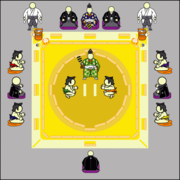 The dohyō (土 俵) is the ring in which sumo wrestling bouts are held. A modern dohyo is a circle of rice-straw bales 4:55 meters in diameter, mounted on a square platform of clay 6.7m on a side, and 34 to 60 cm high. The surface is covered by sand.
A new dohyō is built prior to each tournament by the yobidashi, who are responsible for this activity. The dohyō is removed after each tournament, and in the case of Nagoya, pieces are taken home by the fans as souvenirs. The yobidashi also build the dohyō for training stables and sumo touring events.
Layout of, and placement of sumo participants around, a dohyō
The diameter of the ring is 15 Shaku (4:55 meters), which increased from 13 Shaku (3.94 meters) in 1931. [1] The rice-straw bales (Tawara (俵)) which form the rings are one third the standard size and are partially buried in the clay of the dohyō. Four of the Tawara are placed slightly outside the line of the circle. In Olden times this was to allow rain to run off the surface, when sumo tournaments were held outdoors in the open. Today a wrestler under pressure at The Edge of the ring will often try to move himself round to one of these points to gain leverage in order to push back more effectively against the Opponent who is trying to force him out.
An outdoor dohyō
At the center are two white lines, the shikiri-sen (仕切り 線), behind which the wrestlers must position themselves at the start of the bout. Around the ring is finely brushed sand called the do-no-me (蛇の目 snake's eye), which can be used to determine if a wrestler has just touched his foot, or another part of his body, outside the ring. The yobidashi Ensure it is clean of any previous marks immediately prior to each bout. [2]
A roof resembling that of a Shinto shrine is suspended above the dohyō. Colored tassels (fusa) are suspended from the corners, Representing the four spirits of directions:
Azure Dragon of the East (青龙)
Vermilion Bird of the South (朱雀)
White Tiger of the West (白虎)
Black Tortoise of the North (玄武)
2:02 PM
wahyu
 Sumo is a competitive contact sport where a wrestler (rikishi) attempts to force another wrestler out of a circular ring (dohyō) or to touch the ground with anything other than the soles of the feet. The sport originated in Japan, the only country where it is practiced Professionally. The Japanese consider sumo a Gendai Budo [citation needed] (a modern Japanese martial art), though the sport has a history spanning many Centuries. The sumo tradition is very ancient, and even today the sport includes many ritual elements, such as the use of salt purification, from the days when sumo was used in the Shinto religion. Life as a rikishi is highly regimented, with rules laid down by the Sumo Association. Professional sumo wrestlers are required to live in communal "sumo training stables" known in Japanese as heya where all aspects of their daily lives-from meals to their manner of dress-are dictated by strict tradition.

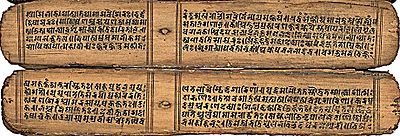 Sanskrit is one of the Indo-European language of the oldest are still well known and include the longest history. Language that can match the 'age' of this language from the family of languages Indo-European Hittite language only. Sanskrit words, in Sanskrit means Saṃskṛtabhāsa is the perfect language. That is, the opposite of Prakrit, or vernacular.
  Sanskrit literature which includes poetry has a rich tradition, drama and scientific texts, technical, philosophical, and religious. Currently Sanskrit is still widely used as a ceremonial language in Hindu rituals in the form of stotra and mantra. Languages spoken Sanskrit is still used in some traditional institutions in India and even some efforts to revive Sanskrit.